Customs Doesn't Open Every Suitcase
Most luggage is never inspected, and the border works anyway. Labelling image data should work the same way: spend your attention where the doubt is.
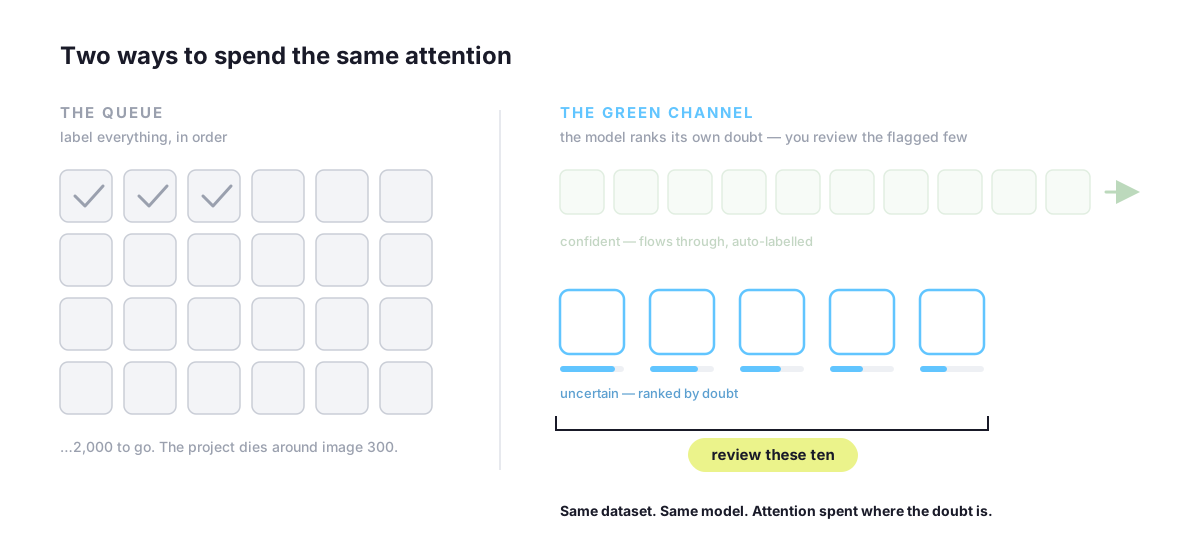
Active learning is a labelling method where a model, not a human, chooses which images to label next, flagging the examples it is least certain about. Uncertainty sampling ranks those by the model's doubt, so you label the few informative cases instead of the whole queue.
Most of the luggage that lands at Heathrow is never opened.
Think about that for a moment. Tens of thousands of bags an hour, any one of which could hold something the border exists to stop — and the official answer, the designed answer, is to wave nearly all of them through a green channel and inspect almost none.
That isn’t negligence. It’s the entire design. A customs officer’s scarcest resource is attention, and the system is built to spend it where the doubt is: the nervous traveller, the odd scan, the route with history. Open every bag and the airport stops working. Open the right bags and the border works better than it would if you opened them all.
I keep coming back to this when I watch teams label image data.
Why does labelling every image slow projects down?
Computer vision has a founding myth, and the myth is a queue.
ImageNet — the dataset that arguably started the deep-learning era — took 49,000 crowd workers in 167 countries the better part of two years to filter and label. Fourteen million images, sorted one judgement at a time, fifty images a minute. It worked, and the field is rightly grateful. But it also taught a generation of engineers a quiet lesson: that this is simply what serious computer vision costs. You queue up everything you have, and you label it, and only then are you allowed to train.
So when an engineer in a factory, or a field trial, or a lab, decides to try vision on their own problem, they inherit the queue. Two thousand photographs of welds, or leaves, or tissue slides. A spreadsheet. An intern, if they’re lucky. And somewhere around image three hundred, the project dies — not because the model failed, but because nobody could face the rest of the queue.
Inspecting everything is not rigour. It is what you do when you don’t have a method for deciding what deserves inspection.
Where is a model most uncertain?
Here is the thing the queue hides: your attention is not equally valuable everywhere.
A trained model — even a rough one, even a baseline that has never seen your data — does not fail uniformly. It is confidently right about most things, confidently wrong about a few, and hesitant about a thin, precious band in between. That hesitation is measurable. A detector that gives a weld defect a 51% score is telling you, as plainly as a nervous traveller at the green channel, that it does not know.
The machine-learning literature has understood this for a long time. The classic survey — Settles, Active Learning Literature Survey, 2009 — collects two decades of evidence for one claim: a model that chooses which examples a human should label next learns more from fewer labels than a model fed the queue in order. The idea even has the right name. The model queries you. You are not the labeller; you are the oracle, and oracles are too expensive to waste on easy questions.
What the literature calls uncertainty sampling, a customs officer would just call doing the job. Watch the flow. Let the routine pass. Stop the case you cannot read.
Ten bags
At digiLab we have spent years putting numbers on doubt — uncertainty quantification is the family trade — and VisionEngine is what happened when we pointed that habit at the labelling queue.
The loop is short. You upload a small set of images — ten to a hundred, not ten thousand. An open-vocabulary baseline labels every one of them in about the time it takes to fetch a coffee, with no training at all. Then, instead of presenting you a queue, it presents you its doubt: the handful of suggestions it is least sure about, ranked. You accept, reject, or fix those. (Accepting, it turns out, is rather pleasant — there is a button for agreeing with a machine, and pressing it does not get old.)
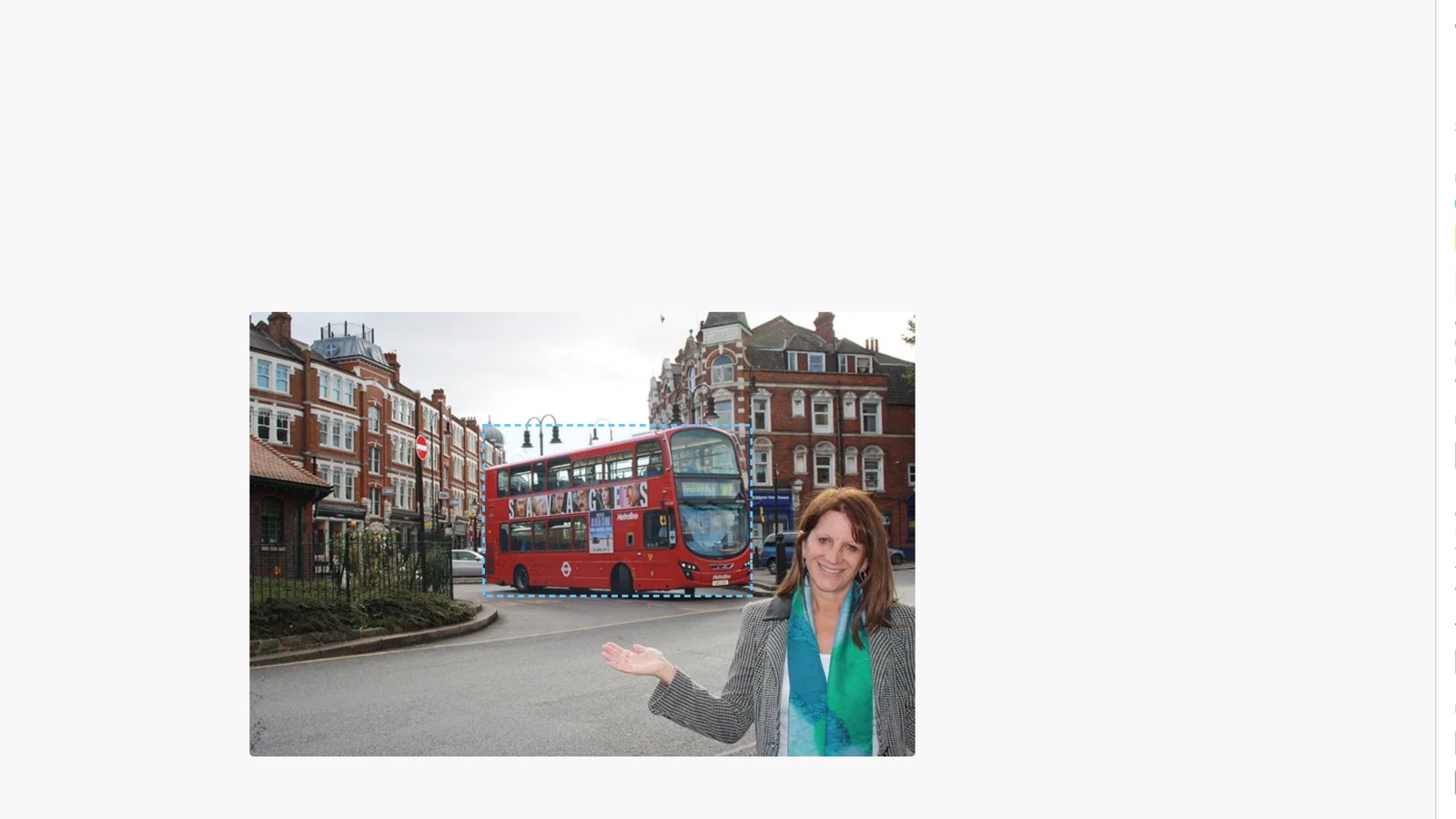
Then you train, and the system shows you precisely what your few minutes of judgement bought: precision, recall, mAP, measured against the baseline you started with.
In a recorded run on our own platform — twelve street photographs, one class, a model trained for ten epochs — the whole circuit took about two minutes of human attention, and the trained model scored mAP50 0.995 on its held-out split. I should be honest about that number: twelve photos of buses is a small, friendly problem, and a high score on it proves nothing about your weld defects. The score is not the point. The shape of the spend is the point. Two minutes of attention, placed where the doubt was, produced a measured, auditable improvement — and every accepted and rejected label was logged into a versioned history, so six months from now you can answer the question every regulated industry eventually asks: who told the model that, and when?
Why is reviewing a model's doubt more useful than labelling everything?
There is a deeper reason to prefer the flagged few over the dutiful queue, and it has nothing to do with saving an afternoon.
When you label everything, you learn nothing about your model. The queue is silent. When you review a model’s doubt, every item teaches you something: where the classes blur, which images the camera ruins, what the model thinks a shadow is. The flagged bags are not just cheaper to inspect. They are the only ones with information in them.
And the habit compounds. A team that reviews uncertainty learns to ask the uncertainty question everywhere — of the next model, of the vendor demo, of the metric on the slide. Should we trust this? becomes Where, exactly, is it unsure? That is a better question. It is, frankly, the only engineering question.
The border does not work because every bag is opened. It works because someone decided, deliberately, where attention should go — and built the channels to match.
Your labelling queue deserves the same respect. Attention is the scarce resource. Spend it where the doubt is.
The green channel is not a gap in the system. It is the system.
Frequently asked questions
What is uncertainty sampling in image labelling?
Uncertainty sampling is an active-learning method where the model ranks its own predictions by how unsure it is, then asks you to label the least confident ones first. Instead of working through the queue in order, you spend your attention on the handful of images that carry the most information.
How much labelled data do you need to start?
None. VisionEngine begins with an open-vocabulary baseline that labels every image with no training at all, from a text prompt or a single drawn example. You then review only the suggestions it is least sure about, so the first useful model comes from minutes of judgement, not a pre-labelled dataset.
Can AI replace a qualified inspector?
No. VisionEngine is a screening and review layer, not a replacement for a qualified inspector. The model proposes labels and flags what it is unsure about; a person accepts, rejects or fixes each suggestion. The human stays the oracle, and every decision is logged into a versioned, audit-ready history.
Why label the flagged few instead of the whole queue?
Because your attention is not equally valuable everywhere. A model is confidently right about most images and hesitant about a thin band in between, and only those uncertain cases carry new information. Labelling everything wastes effort on examples the model already handles; labelling the flagged few teaches you where it fails.
What does reviewing a model's uncertainty teach you?
More than labelling everything ever could. When you review a model's doubt, each item shows you something real: where classes blur, which images the camera ruins, what the model mistakes a shadow for. A silent queue teaches nothing; the flagged cases are the only ones with information in them.